A Delicate Balance: Review of 'The Father'
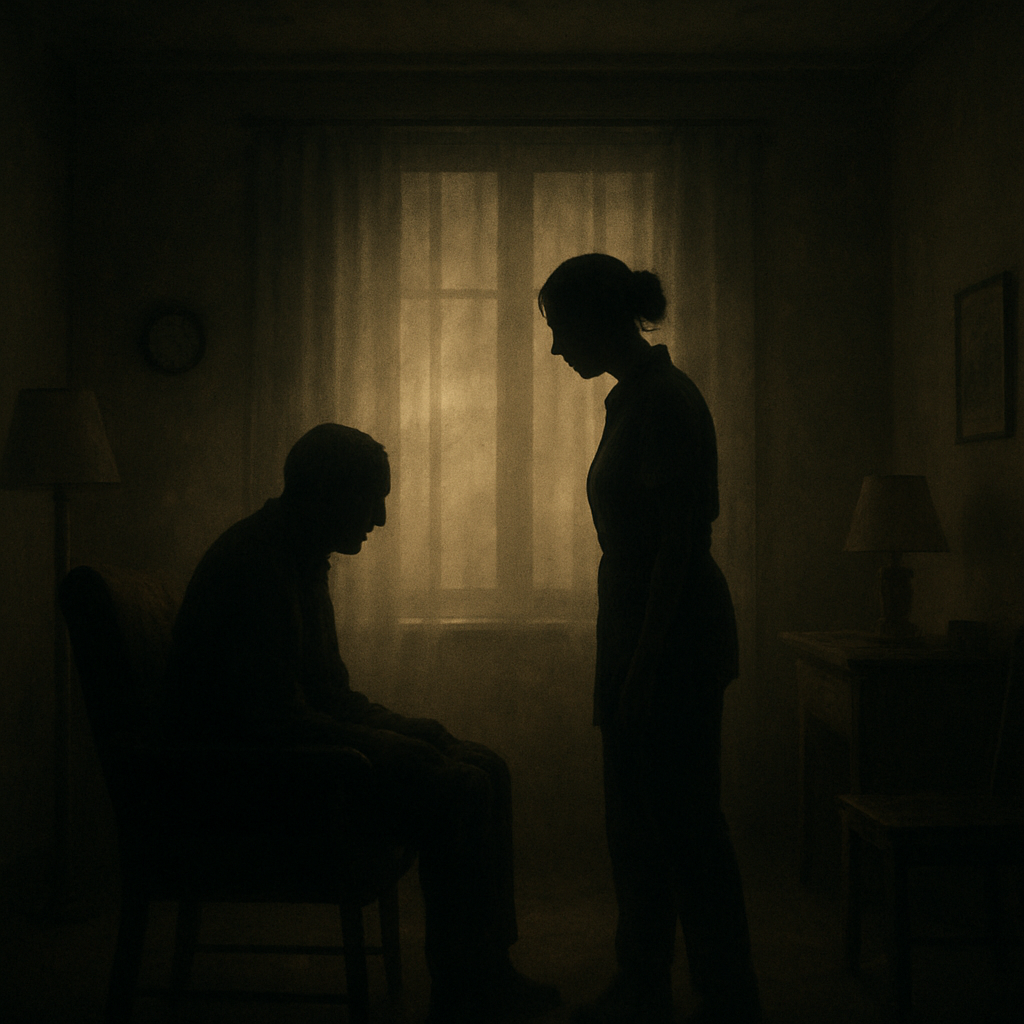
Director: Florian Zeller | Industry: Film
'The Father' doesn’t just tell a story; it immerses you in the disorienting side of aging and memory loss. From the perspective of Anthony, played brilliantly by Anthony Hopkins, viewers witness a reality that shifts and distorts like a house of mirrors.
This film is a profound exploration of one's struggle with fading lucidity. It combines a sharp script with exceptional performances, though its structure can sometimes feel jarring, leaving the audience both engaged and unsettled.
The Setup
The story centers on Anthony, an elderly man grappling with dementia, who struggles to maintain his grip on reality as his daughter Anne, portrayed by Olivia Colman, tries to care for him. As Anthony confronts his condition, he begins to doubt his loved ones and the reliability of his perceptions.
The stakes rise through moments of confusion—who can he trust? Each encounter with Anne and other family members unravels layers of disappointment and pain as they all seek to define their new roles in a life dictated by illness.
Cast & Performances
Anthony Hopkins delivers a heart-wrenching performance, morphing from moments of charisma to deep confusion with astonishing fluidity. He embodies the fragility of memory, and there’s a palpable weight in his expressions when he confronts the reality of his condition.
Olivia Colman matches his intensity, portraying Anne with a blend of tenderness and frustration. Her quiet strength reveals the emotional toll of caregiving, especially in scenes where she oscillates between patience and despair.
Direction & Tone
Florian Zeller's direction feels both intimate and disconcerting. The choice to adopt Anthony's perspective creates a claustrophobic atmosphere that reflects his mental state. Scenes often change abruptly, mirroring the way memory can shift unexpectedly, which keeps audiences off balance.
Zeller’s adaptation retains a theatrical quality, using dialogue and space effectively to build tension. Yet, at times, the shifts in time and reality can feel chaotic, potentially alienating viewers seeking a more straightforward narrative.
Skip this section if you haven't watched the film yet! Here are 4–5 pivotal moments that defined the movie for us:
A pivotal moment occurs when Anthony becomes fixated on a broken watch, symbolizing his struggle with time and memory. His frantic insistence that it's still ticking mirrors his attempts to hold onto a fading past.
This small but significant detail encapsulates his internal battle and reflects how even mundane objects can take on monumental importance in a fragmented reality.
The dinner scene stands out as a moment of uncomfortable tension, where Anthony's confusion escalates. As he misidentifies guests and misreads situations, the laughter of the table contrasts sharply with his isolation.
This dichotomy pulls viewers deeper into his psychological turmoil, forcing them to witness not just his confusion, but also the pain it inflicts on those around him.
Another intense moment comes with his caregiver’s arrival. Their interactions reveal a dynamic filled with resentment yet a flicker of compassion. Anthony's manipulations and defensiveness serve as a reminder of how the elderly may cling to control as their autonomy slips away.
This scene is unsettling yet reveals the depth of human connection, even when layered with denial and conflict.
Toward the end, Anthony is confronted with a stark reality, stripped of the last vestiges of his independence. This moment is hauntingly tender, as he expresses vulnerability in a way that is both heartbreaking and grounding.
It’s a profound realization that resonates long after the film ends, encapsulating a resonant truth about aging.
Visuals & Sound
Ben Smithard’s cinematography plays a crucial role in evoking Anthony's perspective. The camera often feels unsteady, mimicking his unstable grasp on reality. Rooms seem both familiar and foreign, reflecting his confusion.
Lighting contrasts also contribute to the disorientation—the warm glow of memories battling against harsh, clinical shadows of the present, effectively deepening the film’s exploration of perspective.
The score, composed by Ludovico Einaudi, enhances the film's emotional depth. Ethereal melodies weave through the narrative, accentuating moments of silence filled with the weight of memory.
This thoughtful use of music underlines the sense of loss without overpowering the dialogue, allowing the audience to feel instead of just listen.
Final Verdict
- Powerful performances by Anthony Hopkins and Olivia Colman.
- Innovative storytelling that immerses the audience in the protagonist's experience.
- A haunting score that complements the emotional landscape.
- The structure may alienate viewers longing for a traditional narrative.
- Some scenes may feel too disjointed, disrupting emotional engagement.
'The Father' is an emotionally charged exploration of dementia that deftly balances despair and humanity. It’s a film that will resonate with anyone who has faced similar concerns about aging or caring for a loved one. Fans of intimate dramas should find a lot to connect with here.
Frequently Asked Questions
Is 'The Father' based on a true story?
While not a true story, it is based on Florian Zeller's own play about the complexities of aging and mental health.
What age group is appropriate to watch this film?
The film is best suited for adults due to its heavy themes and emotional intensity.