A Subtle Surge of Despair: Review of 'The Father'
Director: Florian Zeller | Industry: Film
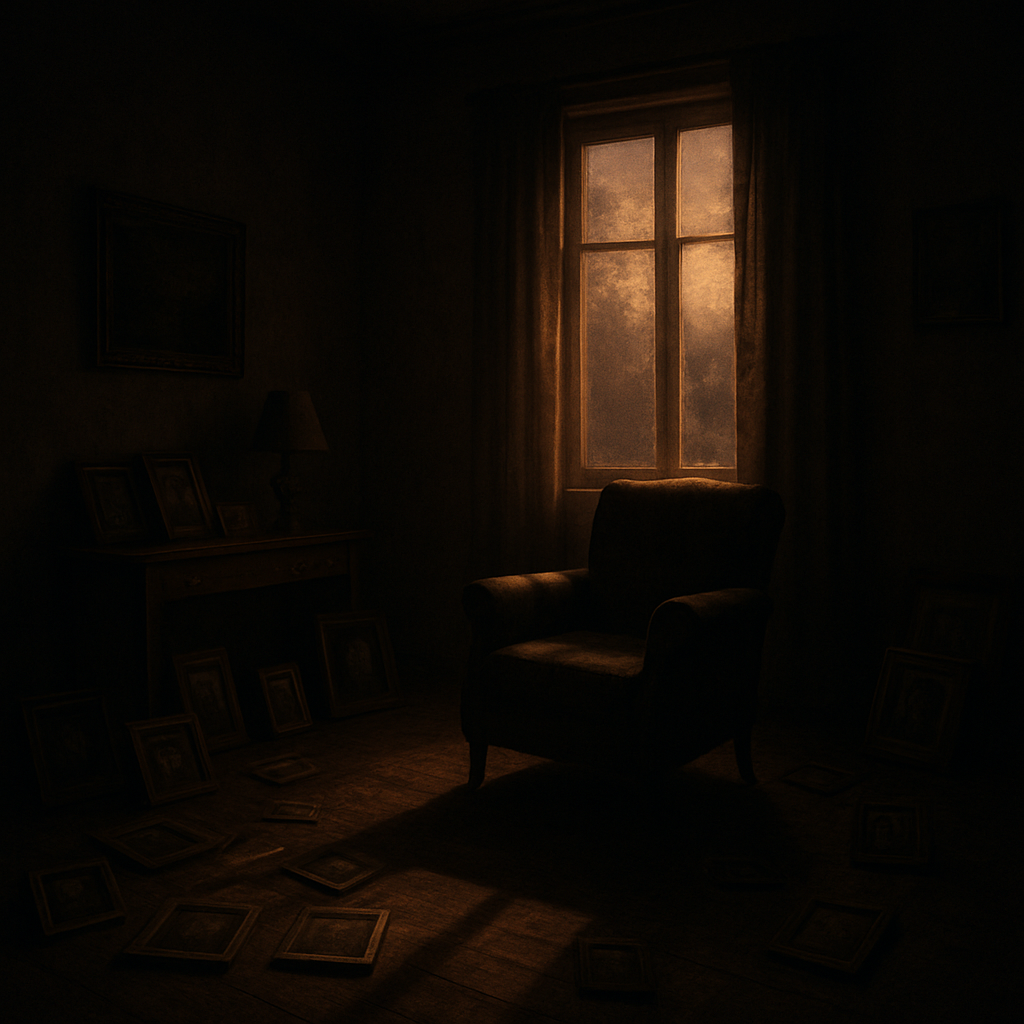
In 'The Father,' the disorienting reality of dementia is sharply illustrated through the tumultuous experience of Anthony, played by Anthony Hopkins. The film plants you directly in his confused mind, a place where time unravels and familiarity breeds uncertainty.
This unwavering commitment to Anthony's perspective renders a haunting examination of aging and familial relationships. The film stands out due to its poignant storytelling and intimate performances, captivating yet deeply unsettling.
The Setup
The story centers on Anthony, an elderly man struggling with dementia, grappling with his changing reality as his daughter Anne, portrayed by Olivia Colman, fights to provide support. As Anthony's grip on time and identity slips away, the film deftly shifts between his confused perceptions and the harsh truth of his situation.
Through Anthony's eyes, viewers confront the raw pain of memory loss and the strain it imposes on relationships. The stakes rise as Anne faces her own limits in caring for a father whose reality is increasingly fragmented.
Cast & Performances
Anthony Hopkins delivers a performance that's both powerful and heartbreaking, capturing Anthony's pride and vulnerability with nuance. His portrayal of confusion is not merely acting; it is an embodiment of fear, and each moment feels raw and deeply affecting.
Olivia Colman complements this with her portrayal of Anne, navigating the emotional turmoil of being both a loving daughter and a caretaker. Colman's expressions convey a deep sorrow and frustration that resonate throughout her interactions with Anthony, enhancing the film's emotional weight.
Direction & Tone
Florian Zeller's directorial choices are bold yet intimate, immersing the audience in Anthony's disorientation. Pacing varies, often mirroring the unpredictable nature of memory. Scenes that seem to reset and repeat effectively symbolize Anthony's fractured perception, pulling viewers into his perplexity.
Zeller's adaptation from stage to screen maintains a theatricality while utilizing close-ups and a confined setting to reinforce the claustrophobic feel of Anthony's mind. This focus allows for an emotional depth that lingers long after the credits roll.
Skip this section if you haven't watched the film yet! Here are 4–5 pivotal moments that defined the movie for us:
During a seemingly festive birthday dinner, Anthony's erratic behavior reveals his struggle with reality. As he confuses family members and feels out of place, the tension rises. This scene effectively illustrates his disconnection from those around him, culminating in an emotionally charged confrontation that cements the film's thematic core.
The shifting scenery when Anthony navigates his daughter's apartment illustrates his episodic confusion. Each change in decor forces the audience to see through his eyes, underscoring the horror of not recognizing one's own home, heightening the anxiety surrounding his condition.
A poignant moment arises when Anthony angrily accuses Anne of being a stranger. This confrontation strikes at the heart of their relationship, showcasing his vulnerability and the emotional toll on Anne. The scene balances anguish and helplessness, reinforcing both characters' struggles.
The climax culminates in Anthony’s emotional breakdown as he confronts his reality. This pivotal moment serves as a gut-wrenching affirmation of his struggle, leaving the audience with a profound sense of grief and empathy for his situation.
Visuals & Sound
Ben Smithard’s cinematography employs a mix of tight framing and soft lighting, creating a sense of intimacy while also highlighting isolation. The views of the apartment shift between cramped and expansive, reflecting Anthony's mental turmoil. These choices build a vivid atmospheric tension, engaging the audience emotionally.
The score, composed by Ludovico Einaudi, complements the film's emotional landscape. Its subtle piano notes swell and recede, mirroring Anthony's fluctuating understanding of his environment, enhancing the film's lingering sense of despair.
Final Verdict
- Anthony Hopkins delivers a haunting portrayal of dementia.
- Olivia Colman adds depth to the familial struggle.
- Zeller's direction effectively immerses viewers in Anthony's perspective.
- The score enhances emotional resonance with its subtlety.
- Cinematography artfully captures the confusion and intimacy of the narrative.
- Some viewers may find the pacing slow, especially in the early segments.
- The heavy themes might be emotionally overwhelming for some.
'The Father' is a harrowing examination of love and loss through the lens of dementia. It’s a challenging watch, likely best suited for audiences who appreciate character-driven dramas that confront difficult realities. Those looking for light entertainment should consider another option.
Frequently Asked Questions
Is 'The Father' based on a true story?
It's not based on a true story but an adaptation of a play by Florian Zeller.
What age group is suitable for this film?
The film is best for mature audiences due to its heavy themes and emotional intensity.
Did Anthony Hopkins win any awards for this film?
Yes, he won the Academy Award for Best Actor for his performance.