A Thought-Provoking Look at Humanity in 'A Ghost Story'
Director: David Lowery | Industry: Film
In 'A Ghost Story,' David Lowery crafts a meditation on existence that unfolds at a deliberate pace, compelling the audience to linger on the weight of time and memory. The film’s unique premise, where a ghost observes the world, emphasizes how life continues to change while death remains a silent observer.
This film’s artistry is in its ability to explore profound themes without grand gestures or excessive dialogue, but it will undoubtedly polarize viewers who prefer a conventional narrative structure.
The Setup
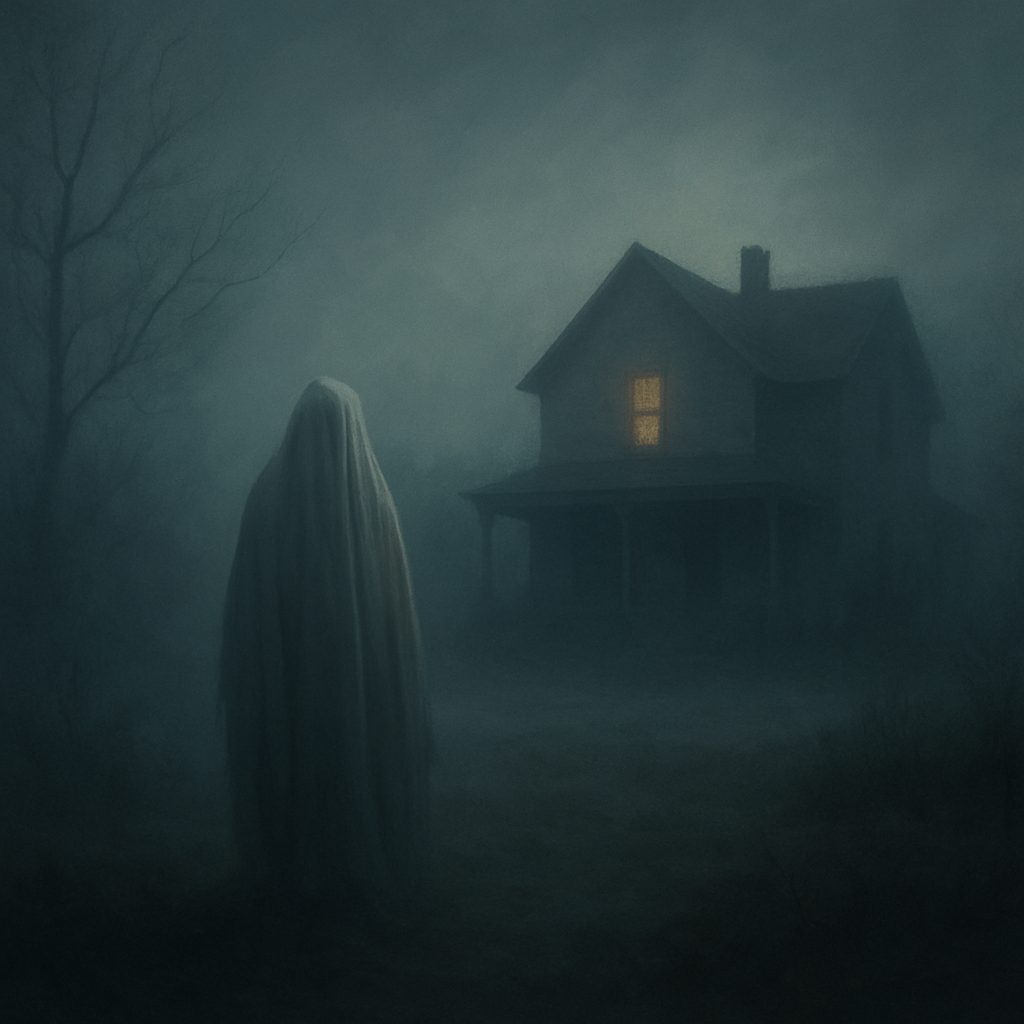
The story centers around C (played by Casey Affleck) and his wife, M (Rooney Mara), who tragically loses him in a car accident. Grieving her loss, M finds it challenging to move on, and C, now a ghost draped in a simple white sheet, watches her struggle as well as the life of the house that they shared together.
As C remains anchored in time, he witnesses the passage of years, the shifting of lives, and the cycle of grief, reflecting the profound message that while individuals may pass, the memories and impacts they leave behind resonate across time.
Cast & Performances
Casey Affleck delivers a haunting performance, even under the weight of a sheet. His ability to convey depth through minimal movement speaks volumes about his character's emotional state. The moments where he silently watches M either embrace or reject life highlight a subtlety that's often overlooked in more traditional performances.
Rooney Mara's portrayal of grief is raw and unfiltered, particularly evident in a scene where she eats an entire pie in a single take. This moment captures the overwhelming burden of sadness and the struggle to cope with loss, marking her performance as emotionally resonant.
Direction & Tone
David Lowery’s direction excels in creating an atmosphere of introspection. The pacing is deliberate, allowing each scene to breathe, which may feel inaccessible to some viewers. However, it effectively draws us into the cyclical nature of time and the weight of memory, guiding our emotional journey through C’s observations.
The film holds a dreamlike quality, further enhanced by Lowery's decision to keep many shots long and static. This choice complements the themes of stillness and the passage of time while emphasizing the ethereal quality of the story.
Skip this section if you haven't watched the film yet! Here are 4–5 pivotal moments that defined the movie for us:
This striking sequence sees M overwhelmed with grief as she mindlessly devours a pie. The unbroken shot serves as a powerful representation of her despair and feelings of entrapment, showcasing the inability to escape her pain. It's a bold choice, emphasizing the discomfort one feels when confronting raw emotion.
C watches as new families move into his home, reflecting on the transient nature of existence. These scenes are poignant, illustrating how life persists in the face of loss. The slow pacing allows viewers to digest the emotional weight of C’s perspective as an observer, deepening the film's exploration of timelessness.
As the film progresses, C experiences flashes of time—distant and close—transforming audiences' understanding of his plight. This creative storytelling choice effectively underscores the film's central themes: the impact of our choices and how they reverberate through the ages.
In a closing moment that transcends traditional narrative, C finally allows himself to move on, a powerful culmination of his journey as both a character and a representation of grief. This scene encapsulates the essence of the film’s meditations on time, memory, and acceptance.
Visuals & Sound
Andrew Droz Palermo’s cinematography captures the haunting beauty of both interiors and landscapes. The use of natural light enhances the ethereal, ghostly atmosphere, while the long shots contribute to a sense of stillness and observance. The choice to frame C often slightly off-center suggests his detachment and adds to the film's overall introspective mood.
The score by Daniel Hart complements the film's atmospheric tone. It’s minimalistic, yet haunting, providing an emotional backdrop to C’s contemplative existence. The sound design also plays a critical role, using silence effectively to amplify the weight of C's unvoiced thoughts.
Final Verdict
- Innovative storytelling that invites deep reflection on loss and time.
- Outstanding performances that convey profound emotions with minimal dialogue.
- Beautifully composed visuals that enhance the film's atmosphere.
- Skillful use of sound and silence that adds depth to the emotional experience.
- Pacing may be too slow for viewers seeking conventional narratives.
- Some moments feel overly abstract, risking disconnect from the audience.
'A Ghost Story' is a haunting exploration of existence that asks its viewers to confront their own emotions about loss and time. It’s best suited for those who appreciate films that challenge traditional storytelling and engage with deep philosophical questions.
Frequently Asked Questions
Is 'A Ghost Story' suitable for all audiences?
The film is best suited for mature audiences due to its heavy themes of grief and loss.
What makes 'A Ghost Story' unique?
'A Ghost Story' stands out for its contemplative approach to storytelling, focusing on time and memory rather than plot-driven narrative.