Intense Character Study Unfolds in 'Nightcrawler'
Director: Dan Gilroy | Industry: Film
From the first scene of 'Nightcrawler,' Jake Gyllenhaal's Lou Bloom is unsettlingly magnetic. His cold determination drives the film forward, pushing boundaries between ambition and ethics.
This character study not only focuses on the lengths to which one will go for success but also delves into the darker corners of media sensationalism.
The Setup
'Nightcrawler' follows Lou Bloom, a desperate man who stumbles into the world of freelance crime journalism in Los Angeles. With an eye for shocking visuals and an unyielding ambition, he captures the grisly aftermath of tragic events for money.
As he quickly rises in the industry, the moral implications of his choices create tension, exposing the shallow nature of media consumption and the human cost behind the footage.
Cast & Performances
Gyllenhaal's performance is striking—he embodies Lou not just as a suave opportunist but also as a deeply troubled individual, driven by insecurities. His physical transformation is remarkable; the weight loss accentuates his fierce intensity.
Rene Russo as Nina, a news director hungry for sensational content, matches Gyllenhaal's energy with her calculated charm. Together, their on-screen tension simmers, revealing their shared willingness to exploit the chaos around them.
Direction & Tone
Dan Gilroy's direction expertly balances suspense with a critique of moral decay. The pacing is deliberate, reflecting Lou's methodical approach to his work. Each scene builds tension, heightening the viewer's anxiety as Lou's moral compass increasingly falters.
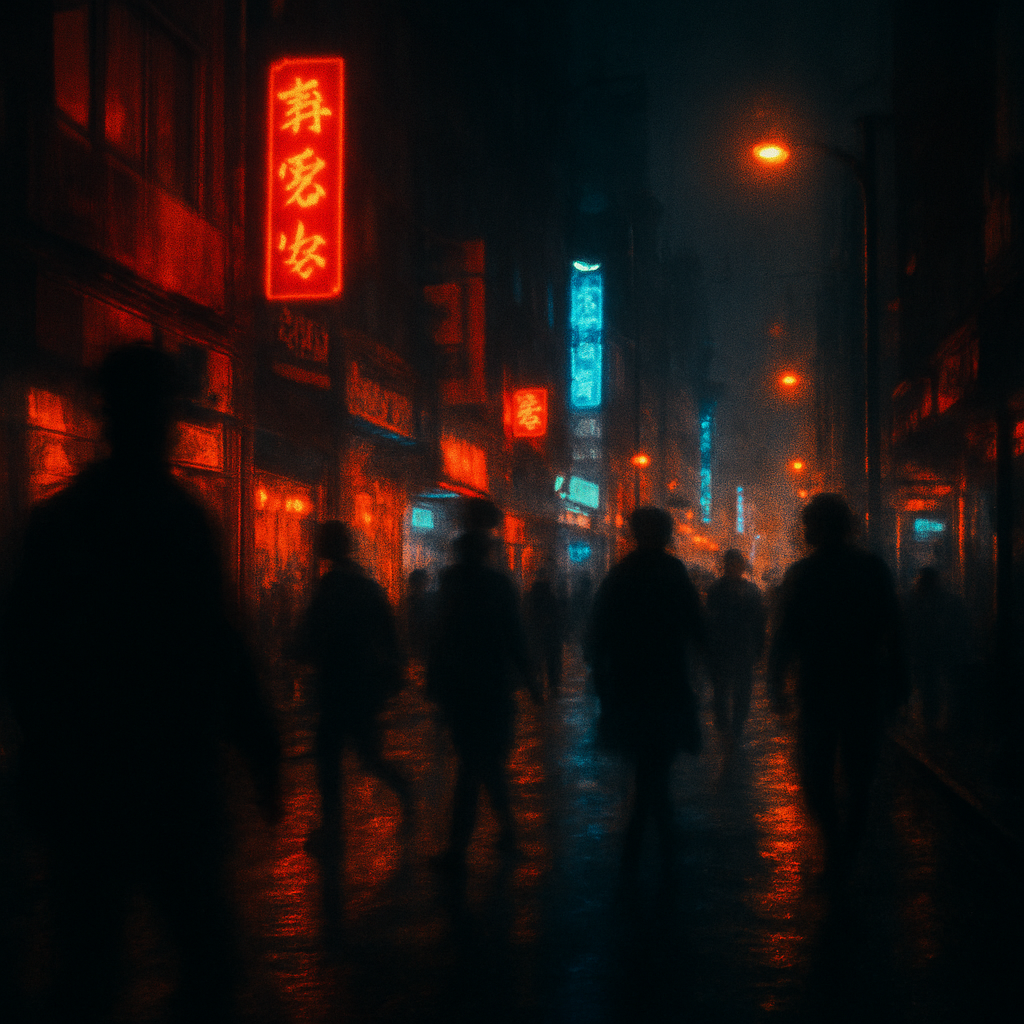
Gilroy creates a recognizable yet hyper-stylized version of Los Angeles, utilizing nighttime settings to amplify the film's themes. The atmosphere is thick with dread—each shot contributes to an overarching sense of unease.
Skip this section if you haven't watched the film yet! Here are 4–5 pivotal moments that defined the movie for us:
Lou's first foray into crime journalism takes him to a horrific car crash scene. He captures visceral footage, depicting his lack of empathy and instinct for opportunity. This moment encapsulates his character’s transformation from a struggling thief into a predatory journalist.
When Lou suggests filming crime scenes to Nina, the exchange reveals their predatory instincts. Nina's willingness to engage with Lou’s morally dubious ideas showcases her desperation in a competitive industry, drawing parallels between their ambitions.
The thrilling chase scene where Lou pursues a stolen vehicle adds urgency to the film. His reckless disregard for the law and human safety is emphasized as he races to capture footage, solidifying the lengths he will go for success.
As Lou faces the consequences of his actions, the scene serves as a chilling culmination of his moral descent. This stark moment of realization illustrates the emptiness of his ambition, leaving the audience unsettled.
The film closes with Lou’s triumphant demeanor as he continues to thrive in his morally bankrupt career. This final shot leaves a haunting impression, depicting the unsettling nature of his unchecked ambition.
Visuals & Sound
The cinematography by Robert Elswit is striking; the work emphasizes the stark contrast between the dazzling lights of Los Angeles and the grim realities Lou captures. Use of shadows and tight framing creates an intimate yet suffocating atmosphere, drawing viewers into Lou’s psyche.
The score, composed by James Newton Howard, reinforces the film's tension with its pulsating, electronic undercurrents. The music serves as a constant reminder of the urgency of Lou's pursuits while maintaining an eerie ambience that complements the visuals.
Final Verdict
- Jake Gyllenhaal's gripping performance is deeply unsettling and memorable.
- Dan Gilroy’s sharp direction critiques the human cost of sensationalism.
- Cinematography effectively enhances the film's tense atmosphere.
- The pacing expertly builds tension and unease throughout.
- Some may find the lack of relatable characters challenging.
- The film's moral ambiguity could leave viewers feeling unsatisfied.
'Nightcrawler' is a disturbing yet fascinating exploration of ambition and ethics in the age of sensationalism. It's not for everyone, but those who enjoy introspective thrillers will find it compelling.
Frequently Asked Questions
Is 'Nightcrawler' based on a true story?
No, it is a fictional story but reflects real trends in media.
What makes Jake Gyllenhaal's performance stand out?
His physical transformation and intense embodiment of the character's moral ambiguity.