Puella Magi Madoka Magica the Movie Review
Director / Creator: Yukihiro Miyamoto
Puella Magi Madoka Magica the Movie -Walpurgisnacht: Rising- arrives with a lot of pressure on it, and that’s exactly why fans will be watching closely. After Rebellion, the story is already carrying heavy emotional baggage, and the new film seems built around that uneasy calm before another break. If you care most about Homura’s choices and the price of protecting Madoka, this is the kind of sequel that should keep you tense. If you’re hoping for a simple magical-girl story, this probably isn’t that movie.
The Setup
The setup is straightforward enough to follow without giving away too much. The world looks stable after the events of Rebellion, but that stability doesn’t feel real for long. A new threat tied to Walpurgisnacht appears, and Homura Akemi is pushed back into the center of the conflict. The key question is not just what this threat is, but what Homura is willing to do next, especially when protecting Madoka may come with a cost she can’t undo.
Cast & Performances
The cast list alone tells you this movie is leaning on familiar voices, and that matters here. Aoi Yuuki and Chiwa Saito are especially important because so much of the tension in this franchise lives in the way those characters speak to each other, even in silence. Fans of the original performances will likely want the same emotional sharpness and control, and this film needs that. The newer additions, including Shion Wakayama and Tomoyo Kurosawa, also suggest fresh energy in a world that can’t just survive on nostalgia.
Direction & Tone
Yukihiro Miyamoto has the difficult job of making this feel like a true continuation instead of a safe reunion. From the premise, the film looks like it’s aiming for pressure rather than comfort, which is the right choice for this story. Viewers who want the franchise’s mix of heartbreak and strange magic should respond well if the direction keeps the emotional focus tight. The risk is pacing, because a 120-minute anime sequel like this can lose viewers if it spends too long setting pieces on the board before the real conflict starts.
Visuals & Sound
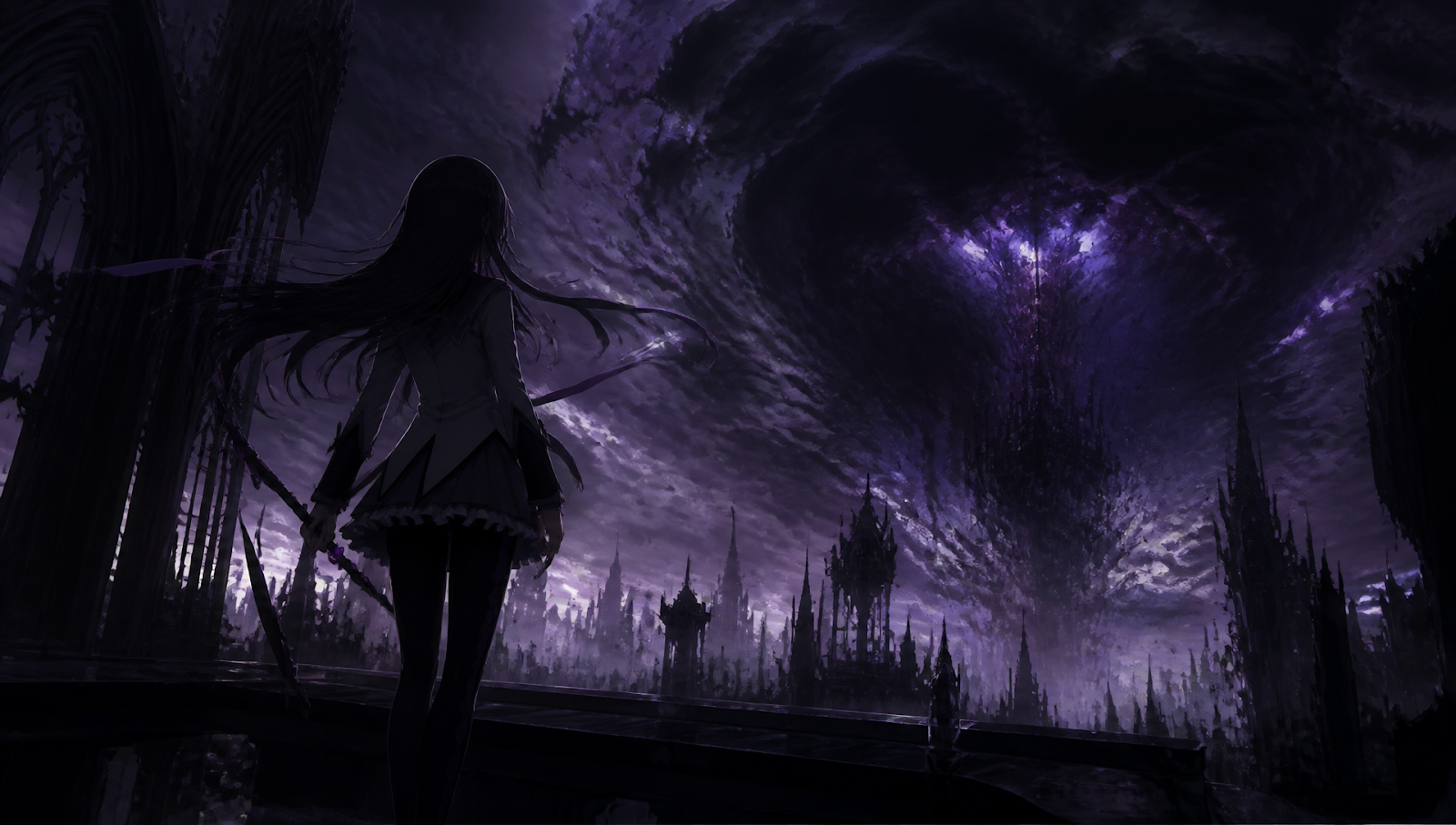
The visual side of a Madoka film usually carries a lot of the storytelling, and that expectation is even higher here. This kind of fantasy drama needs contrast: soft moments, harsh breaks, and imagery that makes the magical world feel beautiful and unsafe at the same time. A good-looking sequel is not enough, though. Readers who follow this franchise will want images that feel purposeful, not just polished. The film’s visual design will matter most when it makes Homura’s world feel unstable even in its quietest scenes.
Music is one of the franchise’s quiet strengths, and this film should live or die in part by how well it uses sound to support the mood. Madoka stories work best when the score does more than underline action. It has to make worry, sadness, and urgency feel close. If the soundtrack leans too hard on familiar cues without adding anything new, longtime fans may notice. If it finds the right mix, it could do a lot of the emotional heavy lifting.
The opening likely matters a lot here because it has to remind viewers that peace in this world is temporary. That kind of setup works best when it feels calm on the surface but uneasy underneath.
This is the emotional center of the film’s premise. If the movie lands, it should make Homura’s conflict feel painful rather than abstract.
Any scene tied to Walpurgisnacht should carry real weight, because that name alone signals danger for longtime fans. The film’s success may depend on how sharply it builds that threat.
The story seems built around Homura’s need to protect Madoka, which means every important turn should circle back to that bond. That gives the movie its emotional hook.
Without spoiling an ending that hasn’t been seen here, the film appears ready to force Homura into another hard decision. Fans will likely leave this section of the story either satisfied or deeply unsettled, and both reactions feel possible.
Pros & Cons
- Strong emotional stakes built around Homura and Madoka
- A familiar cast that should satisfy franchise fans
- Yukihiro Miyamoto is a fitting choice for a sequel this intense
- The Walpurgisnacht connection gives the story immediate tension
- The premise promises a darker, character-focused continuation
- New viewers may feel lost without knowledge of Rebellion
- The film may rely heavily on franchise history
- Pacing could be a problem if the setup runs too long
- The emotional weight may be too bleak for some viewers
Final Verdict
Puella Magi Madoka Magica the Movie -Walpurgisnacht: Rising- looks like exactly the kind of sequel fans have been waiting for and slightly dreading. It has the right emotional target, the right character at the center, and a premise that promises real consequences. Based on the available details, this feels like a strong return for viewers who want tension and heartbreak more than easy answers. It may not be welcoming if you’re new to the franchise, but for existing fans, this is the sort of movie that could hit very hard.
Frequently Asked Questions
Yes. It follows the events of Rebellion and continues Homura’s story.
You probably should. This film seems closely tied to the franchise’s existing story.
It’s an animated fantasy drama with mystery elements.
Yukihiro Miyamoto is listed as the director/creator.
The movie is set for release on 2026-08-28.
Related Titles You Might Like
- Puella Magi Madoka Magica the Movie -Rebellion-
- Puella Magi Madoka Magica the Movie -Beginnings-
- Puella Magi Madoka Magica the Movie -Eternal-
- Your Name.
- Perfect Blue