Rhett & Scarlett: A Love Story Reimagined in 'The Last Duel'
Director: Ridley Scott | Industry: Film
In 'The Last Duel,' the tension between perception and reality plays out against the gritty backdrop of 14th-century France. The space for truth feels perilously narrow, with each character's perspective vying for dominance.
This film paints a stark portrait of betrayal and honour lost, under Ridley Scott's deft direction. It's a compelling narrative burdened by its own complexity, but Scott's execution keeps the viewer engaged.
The Setup
The film tracks the tumultuous relationship between Jean de Carrouges (Matt Damon) and Jacques Le Gris (Adam Driver), culminating in a legal duel over allegations of rape. Marguerite (Jodie Comer), de Carrouges' wife, becomes the center of a vehement conflict that highlights the dangerous consequences of a patriarchal society.
As the story unfolds through three differing perspectives, it challenges the perception of events and forces viewers to confront the uncomfortable truths surrounding honor and loyalty.
Cast & Performances
Jodie Comer delivers a standout performance, embodying Marguerite's resilience and vulnerability with raw honesty. Her emotional range is particularly evident in scenes where she's faced with societal judgments, making her plight feel exceedingly real.
Matt Damon brings depth to Jean de Carrouges, showcasing the multifaceted nature of his character's ego and insecurities. Adam Driver effectively portrays Le Gris, oscillating between charm and menace, making him a complex antagonist. Their interactions are pivotal, reflecting the broader societal tensions.
Direction & Tone
Ridley Scott's direction is both ambitious and deliberate. The film’s pacing can feel uneven at times, particularly in the middle act, yet the structure, with its distinctive perspective shifts, keeps the narrative engaging. Scott’s choice to delve into strong thematic elements elevates the dialogue beyond mere historical retelling.
The tone is consistently heavy, and Scott skillfully blends action with introspection, although some may find the heavy-handed moral lessons distracting. The use of stark imagery contrasts beautifully with the more intimate, character-driven revelations.
Skip this section if you haven't watched the film yet! Here are 4–5 pivotal moments that defined the movie for us:
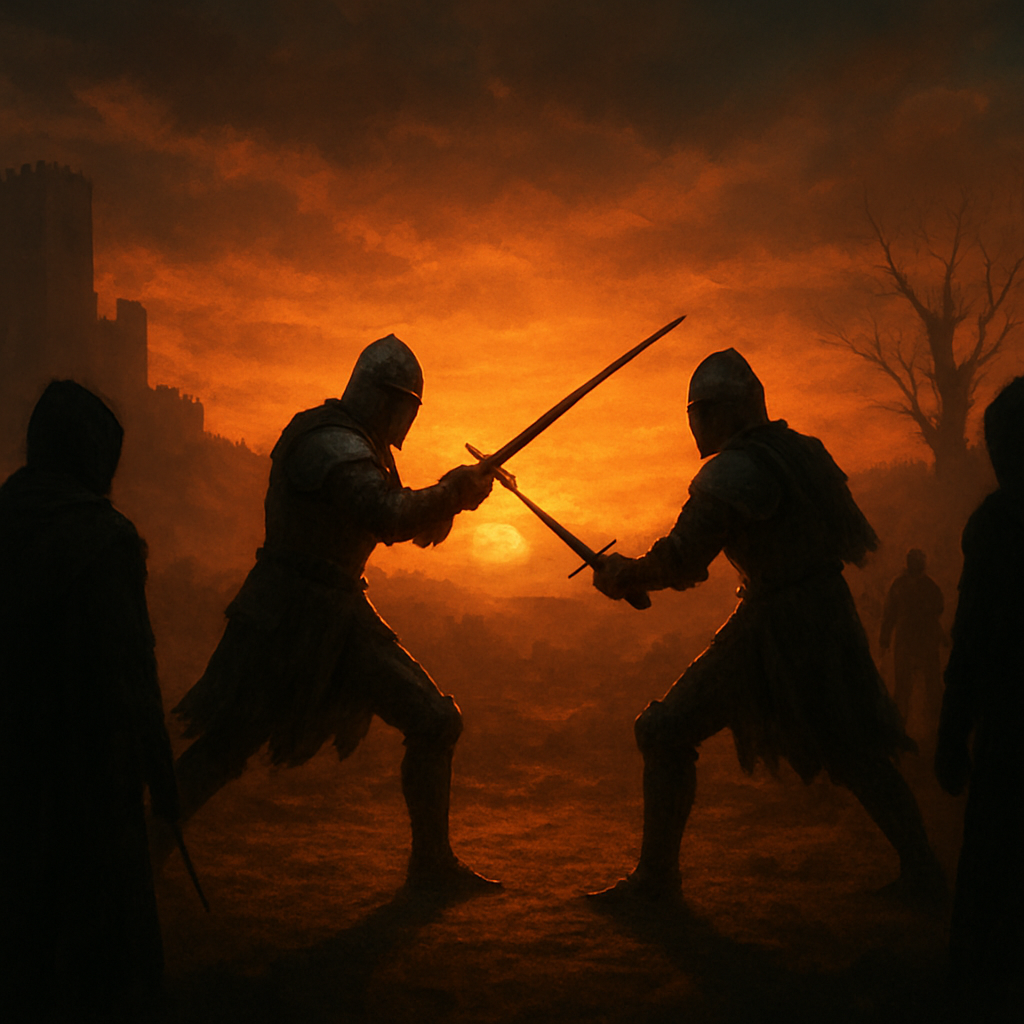
In the climactic duel, both characters are fighting not just for their lives but for their honor. The choreography is visceral; viewers feel the weight of each strike. Here, the stakes are compellingly high, and the focus on physicality emphasizes the consequences of their choices.
Marguerite’s recounting of the assault is especially powerful. It’s a moment that refuses to shy away from the brutality of her experience. This scene resonates deeply, forcing the audience to grapple with the weight of her truth as it starkly contrasts the male characters’ versions of events.
Jean's view of the events shows his limited understanding of Marguerite’s suffering, which ultimately leads to his downfall. This personal angle exposes his flaws and makes the audience aware of his misguided sense of honor, adding layers to his character.
The moment when Le Gris manipulates the truth underlines the betrayal at the story's heart. This scene serves as a turning point, shifting not only the tone but revealing the deep-rooted misogyny present. The emotional weight it carries is palpable, marking a critical commentary on societal norms.
Visuals & Sound
The film's cinematography, helmed by Dariusz Wolski, is expansively framed, capturing both the vastness of battlefields and the intimacy of personal conflict. The lighting is often dark and moody, reflecting the oppressive atmosphere that pervades the characters’ lives.
The score by Harry Gregson-Williams complements the film’s emotional gravity without overpowering it. The use of strings and choral elements accentuates moments of high tension, weaving seamlessly into the fabric of the narrative.
Final Verdict
- Strong performances, particularly from Jodie Comer.
- Bold exploration of themes like honor and betrayal.
- Visually striking cinematography that enhances the story.
- Uneven pacing in the second act.
- Heavy-handed moral lessons may alienate some viewers.
'The Last Duel' presents a grim but necessary reflection on truth and honor, elevated by strong performances and visual craftsmanship. It's best suited for viewers who appreciate historical dramas that challenge perceptions and provoke thought.
Frequently Asked Questions
Is 'The Last Duel' based on a true story?
Yes, it is based on real events that took place in 14th-century France.
Who wrote the screenplay for 'The Last Duel'?
The screenplay was written by Matt Damon, Ben Affleck, and Nicole Holofcener.