The Last House Review: Tight Horror With Cold Edges
Director / Creator: Louis Leterrier
The Last House starts with a premise that does most of the work before the first scare lands: a family is locked inside their own home, and whatever is keeping them there does not plan to leave quietly. Louis Leterrier keeps the setup simple, which helps the tension stay sharp. The film is at its best when it focuses on small decisions, tight spaces, and the kind of fear that grows out of waiting. It is not a perfect movie, but it is a tense one, and that matters more here than flashy shocks.
The Setup
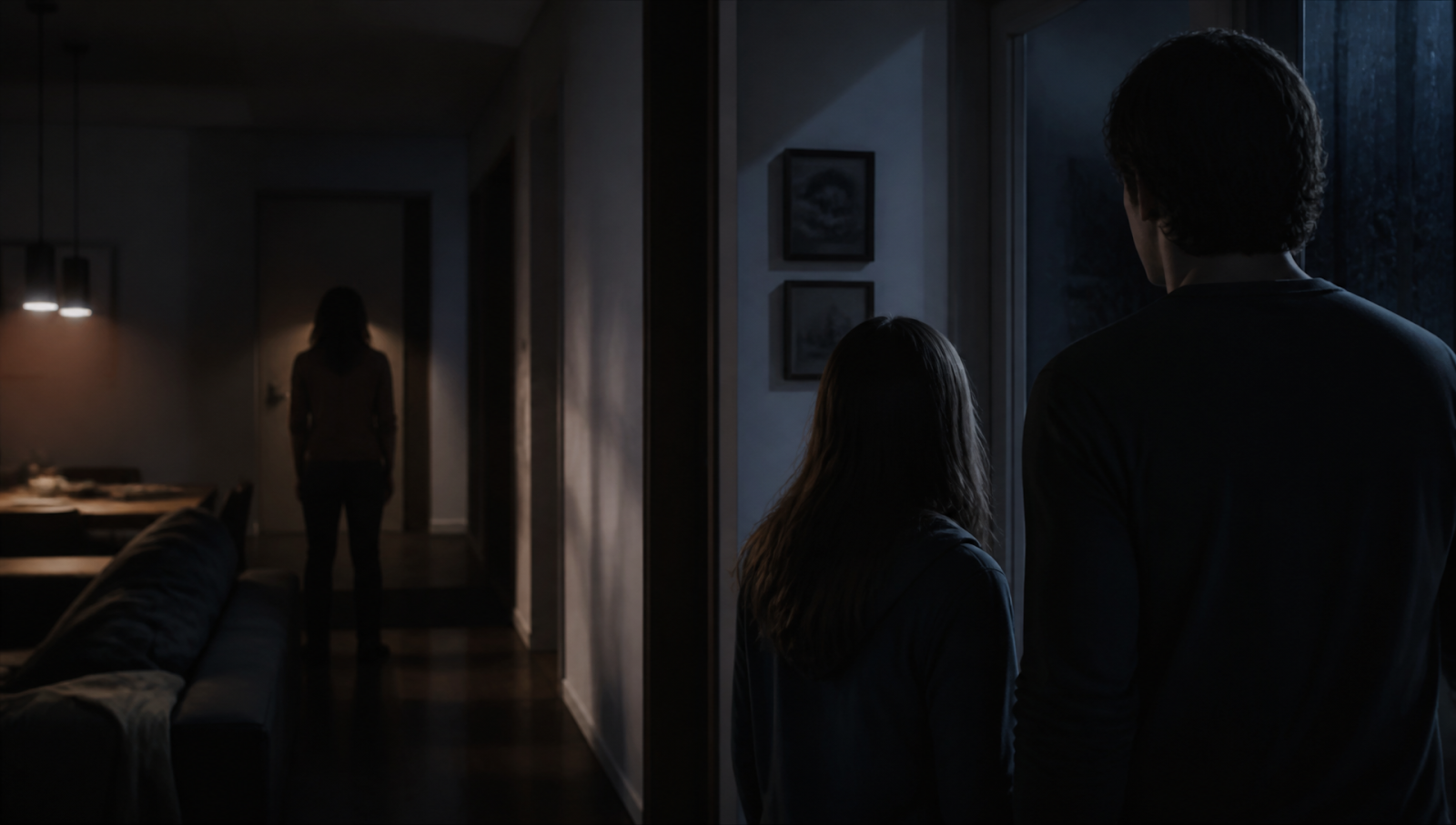
The story follows a family suddenly sealed inside their house with limited supplies and a threat that feels both unseen and very close. That basic idea gives the film room to build pressure without rushing. Instead of moving outward, the plot keeps narrowing in, so every room, hallway, and pause starts to matter. The horror comes from confinement, but the science fiction angle adds a colder edge to the mystery behind the trap. The result is a survival story that plays like a domestic pressure cooker.
Cast & Performances
Greta Lee gives the movie a steady emotional center. She makes the fear feel lived-in rather than theatrical, which helps the whole film stay grounded. Wagner Moura brings a different kind of energy, more restless and defensive, and that clash works well inside a family under stress. The younger cast members, including Riley Chung and Noah Alexander Sosnowski, help sell the sense that this is not a polished team working together but a group trying to hold itself together minute by minute. Some supporting roles are thinner than others, but the cast does enough to keep the tension human.
Direction & Tone
Leterrier directs with a clear eye for pressure. He does not waste time on wide explanations when a tight shot or a delayed cut can do the same job better. The pacing is deliberate, sometimes almost stubborn, but that fits the setup. He understands that a sealed house needs rhythm changes, not constant noise. Quiet stretches matter here, and the film uses them well. When the editing speeds up, it usually feels earned. That said, a few beats are held too long, and the middle section can repeat the same idea in slightly different ways before the story pushes forward again.
Visuals & Sound
The visuals are one of the film’s best tools. The camera keeps returning to corners, frames within frames, and narrow passages that make the home feel smaller each time we see it. Lighting does a lot of storytelling here, especially when the film uses cool, dim tones to make the house feel drained rather than cozy. The image design supports the mood without showing off. It knows when to stay still and when to move in closer. That restraint gives the movie a cleaner, more uneasy look than a more crowded horror style would have.
The music avoids big, obvious scares and that helps. It sits low in the mix and lets silence do a lot of the heavy lifting. When the score does rise, it feels more like a warning than a punchline. The sound design is even better, because the movie pays attention to the small noises inside the house. A shift in the walls, a door that won’t settle, a sound that seems just out of place — those details carry real weight.
The film’s opening setup works because it doesn’t over-explain the event. The shock is immediate, and the home turns from shelter into a problem almost at once.
A simple routine becomes tense because the camera and editing linger on each choice. Food, water, and silence all start to feel like part of the same threat.
This is where the movie shifts from uneasy to fully uneasy. It uses sound and timing more than spectacle, which makes the moment land harder.
The film’s strongest human tension comes here. Fear makes every argument feel practical, but the emotional damage is the point.
The ending goes bigger in tone and imagery, and it answers the mystery without completely smoothing out the roughness of the ride.
Pros & Cons
- Strong trapped-location tension
- Good lead performances from Greta Lee and Wagner Moura
- Smart use of sound and silence
- Visuals that make the house feel claustrophobic
- Steady pacing for much of the runtime
- Middle section repeats a few ideas
- Some supporting roles feel underused
- The mystery may feel limited to viewers wanting bigger reveals
Final Verdict
The Last House is a smart, tense horror-thriller that gets a lot out of one strong idea. It works best when it keeps things small: tight framing, low sound, nervous pauses, and performances that feel worn down by the situation. It is not flawless, and the middle does sag a bit, but Louis Leterrier keeps enough control over the material to make the film worth your time. For viewers who like pressure over noise, this is a solid watch. Rating: 6.9/10.
Frequently Asked Questions
It leans across both, with science fiction folded into the mystery behind the trapped house.
It is more tense than shocking. The fear comes from confinement, sound, and pressure rather than constant jump scares.
Louis Leterrier directed the film.
The runtime is 110 minutes.
Related Titles You Might Like
- The Platform
- A Quiet Place: Day One
- The Night House
- The Invisible Man
- Malignant