The Whisper Man Review: Dark, Cold, and Uneven
Director / Creator: James Ashcroft
The Whisper Man opens with the kind of grief that can pull a thriller in two directions: it can feel raw and personal, or it can get buried under plot. James Ashcroft’s movie mostly lands on the first side. It’s tense, somber, and built around a family crisis that gives the crime story some weight. If you like thrillers that stay cold and serious, this one should hold your attention. If you need constant twists or a fast pace, you may feel the strain in its slower stretches. As a The Whisper Man review, the safest answer is that it works best when it trusts mood and performance more than explanation.
The Setup
The story centers on a widower whose young son disappears, forcing him to turn to his estranged father, a retired detective. That father once put away the serial killer now tied to the case, which gives the search a painful family edge. The setup is strong because it mixes crime investigation with old wounds that never really healed. Viewers who enjoy stories about broken families inside a dark mystery will likely lean in early. The film keeps the emotional stakes close to home, which helps it feel more grounded than a standard missing-person thriller.
Cast & Performances
Adam Scott carries the movie with a tired, hurt energy that fits the role well. He makes the father’s panic feel human instead of showy, and that matters in a story like this. Robert De Niro gives the retired detective a hard, worn presence that suits the material, especially in scenes where the character’s past clearly weighs on him. Michelle Monaghan and the rest of the cast help fill out the world without turning it into a series of big speeches. For viewers who care about believable reactions more than flashy dialogue, the acting is one of the film’s strongest points.
Direction & Tone
James Ashcroft keeps the film tight and bleak, and that tone helps the story feel serious rather than generic. He seems more interested in dread than speed, which is the right choice for this kind of case. The downside is that some viewers may want a little more momentum, especially when the mystery pauses to let the atmosphere settle. Still, the direction gives the movie a clear shape. It knows what it wants to be, and that focus is helpful even when the screenplay doesn't always match it beat for beat.
Visuals & Sound
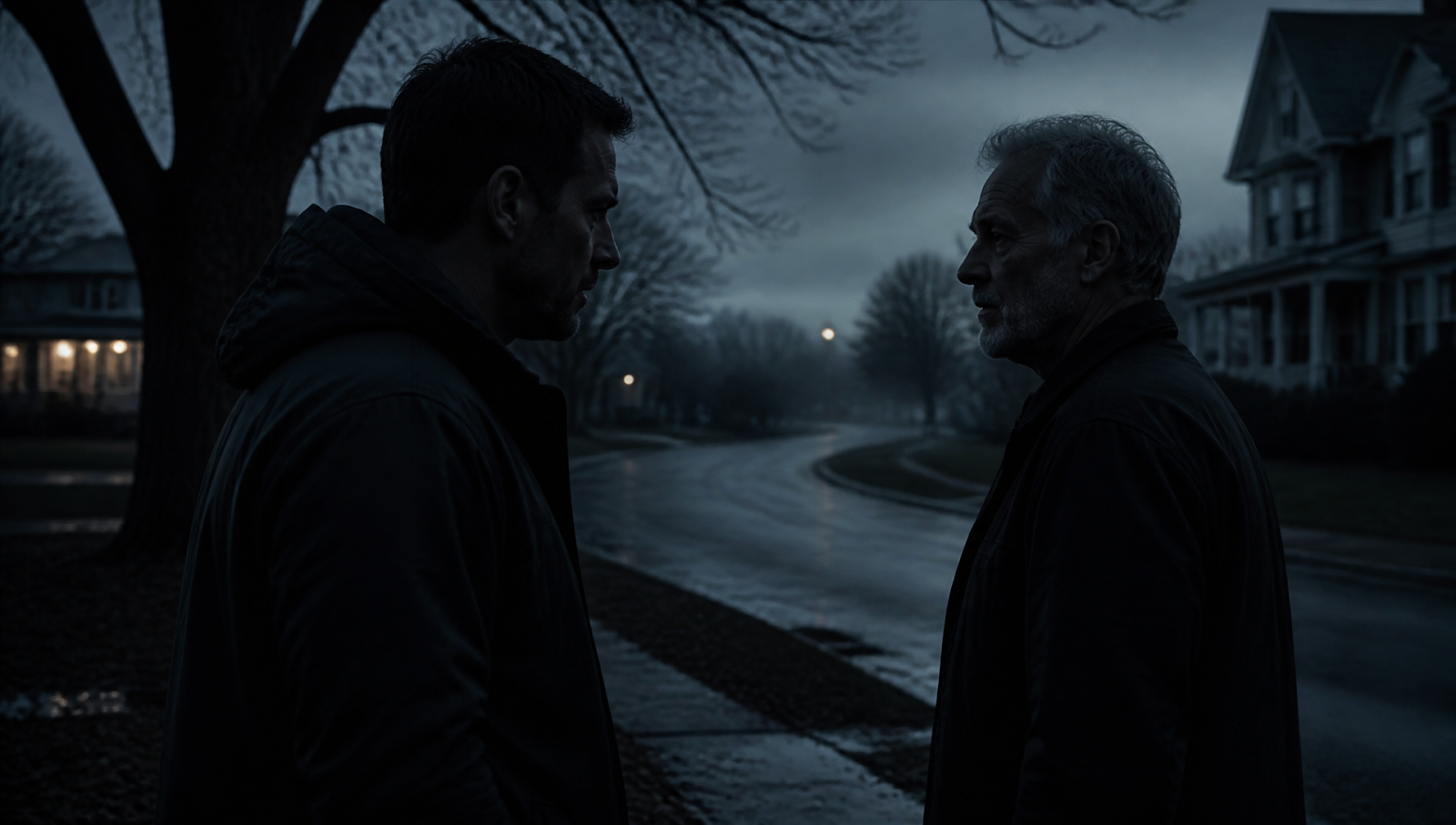
The film’s look suits the story. The cinematography favors dark interiors, muted color, and a plainness that makes the world feel drained rather than stylized. That helps the family and crime elements feel close and uncomfortable. If you prefer glossy thrillers, this may feel too plain. If you like images that match the emotional state of the characters, it does its job well.
The sound design and score support the film’s mood well. Nothing here feels loud just to force tension. Instead, the music helps the movie stay uneasy, with a restrained approach that matches the cold tone. That works in its favor because this is not the kind of thriller that should keep shouting for attention. For viewers who notice sound choices, the quiet is part of the suspense.
The early disappearance sets the emotional tone quickly. It gives the movie a personal hook before the investigation becomes more complicated.
Bringing the widower and his estranged detective father together gives the film its best dramatic tension. The family conflict adds more than the case itself in these moments.
This is where the movie leans into its thriller side. The connection raises the stakes, but it also asks viewers to accept a lot of backstory in a short span.
As the search tightens, the film gets colder and more uneasy. This is the stretch where patient viewers may get the most out of it.
Without getting into every detail, the ending pushes the story toward its darker ideas rather than a neat emotional release. Some will like that firmness, while others may want more payoff.
Pros & Cons
- Strong central performances from Adam Scott and Robert De Niro
- A bleak tone that fits the missing-child thriller setup
- Family tension gives the story more weight than a simple case file mystery
- Solid atmosphere and controlled sound design
- James Ashcroft keeps the movie focused on dread rather than noise
- Some stretches move too slowly
- A few thriller beats may feel familiar to regular crime-drama viewers
- The emotional and mystery sides don't always stay equally strong
- The ending may feel too restrained for viewers wanting a bigger payoff
Final Verdict
The Whisper Man is a moody, well-acted crime thriller that does enough right to keep you invested, even when the story gets a little uneven. It is strongest as a grief story wrapped inside a police mystery, not as a twist-heavy puzzle. If that sounds like your kind of film, it should work well for you. If you want something faster and more surprising, it may leave you wanting more. My rating: 6.8/10.
Frequently Asked Questions
No, it’s a crime drama thriller with a dark tone, but it’s not mainly a horror film.
James Ashcroft directed the movie.
It runs for 114 minutes.
It balances both, but the family drama carries a lot of the emotional weight.
Related Titles You Might Like
- The Night House
- The Black Phone
- Nightcrawler
- Wind River
- Gone Baby Gone