A Thought-Provoking Dive into 'The Banshees of Inisherin'
Director: Martin McDonagh | Industry: Film
In 'The Banshees of Inisherin,' silence speaks louder than words, creating an unsettling atmosphere that lingers long after the credits roll.
This film is an unsettling exploration of friendship's abrupt end and the loneliness that follows. It reveals how disconnection can unravel a tightly-knit community.
The Setup
Set on a remote Irish island, the film centers on Padraic (Colin Farrell) and Colm (Brendan Gleeson), lifelong friends whose bond is shattered when Colm decides to end their friendship. Colm, seeking a more profound meaning in life, isolates himself from Padraic, leading to unexpected and drastic consequences.
The stakes amplify as Padraic struggles to comprehend Colm's choice, escalating tension that reflects the human condition's complexities, and ultimately questioning the value of connection versus self-discovery.
Cast & Performances
Colin Farrell shines as Padraic, adeptly portraying his transition from bewildered friend to desperate man. His performance oscillates between comedic oblivion and raw heartbreak, especially evident in the scene where he confronts Colm.
Brendan Gleeson, as Colm, imbues the character with a stoic gravity that juxtaposes seamlessly with Padraic's more open emotions. Their chemistry drives the narrative, as each actor presents a unique perspective on friendship and isolation.
Direction & Tone
Martin McDonagh crafts a story that is as engaging as it is disquieting. His pacing allows moments of stillness to breathe, serving the film’s thematic exploration of solitude. The dialogue is sharp, often laced with dark humor that provides relief yet deepens the tragedy.
McDonagh's choice to set the story against the backdrop of the Irish civil war adds a layer of tension, mirroring the personal strife between Padraic and Colm. It steers the narrative, enriching the motives of the characters.
Skip this section if you haven't watched the film yet! Here are 4–5 pivotal moments that defined the movie for us:
At the heart of the film lies the moment Colm tells Padraic he no longer wishes to be friends. This scene is potent, filled with discomfort as Padraic's confusion and hurt ooze from every line. It sets the tone for the ensuing chaos.
The emotional weight is palpable; it's not just a breakup but a public declaration of intent that shatters Padraic's world. This choice propels the story forward, giving a clear emotional stake.
In a shocking turn, Colm's ultimatum leads to increasingly violent actions when he cuts off his own fingers to demonstrate the severity of his decision. This scene is a powerful metaphor for sacrificing parts of oneself for artistic expression and the cost of an individual’s personal truth.
The brutal imagery creates an uncomfortable yet necessary conversation about the consequences of choices, skillfully portrayed by both actors.
A confrontation at the local bar lays bare the community's divided loyalties. Here, Padraic's pleas fall on deaf ears, showing how isolation can extend beyond personal relationships.
This scene illustrates the ripple effect of personal choices on broader relationships, reinforcing the film's exploration of social disconnect.
The film culminates in a tense showdown, where both characters are forced to reckon with the results of their decisions. This impactful scene encapsulates the themes of regret and consequence, showcasing both characters' emotional landscapes vividly.
Each choice feels weighty and definitive, leaving the audience to ponder the fragility of human connections.
Visuals & Sound
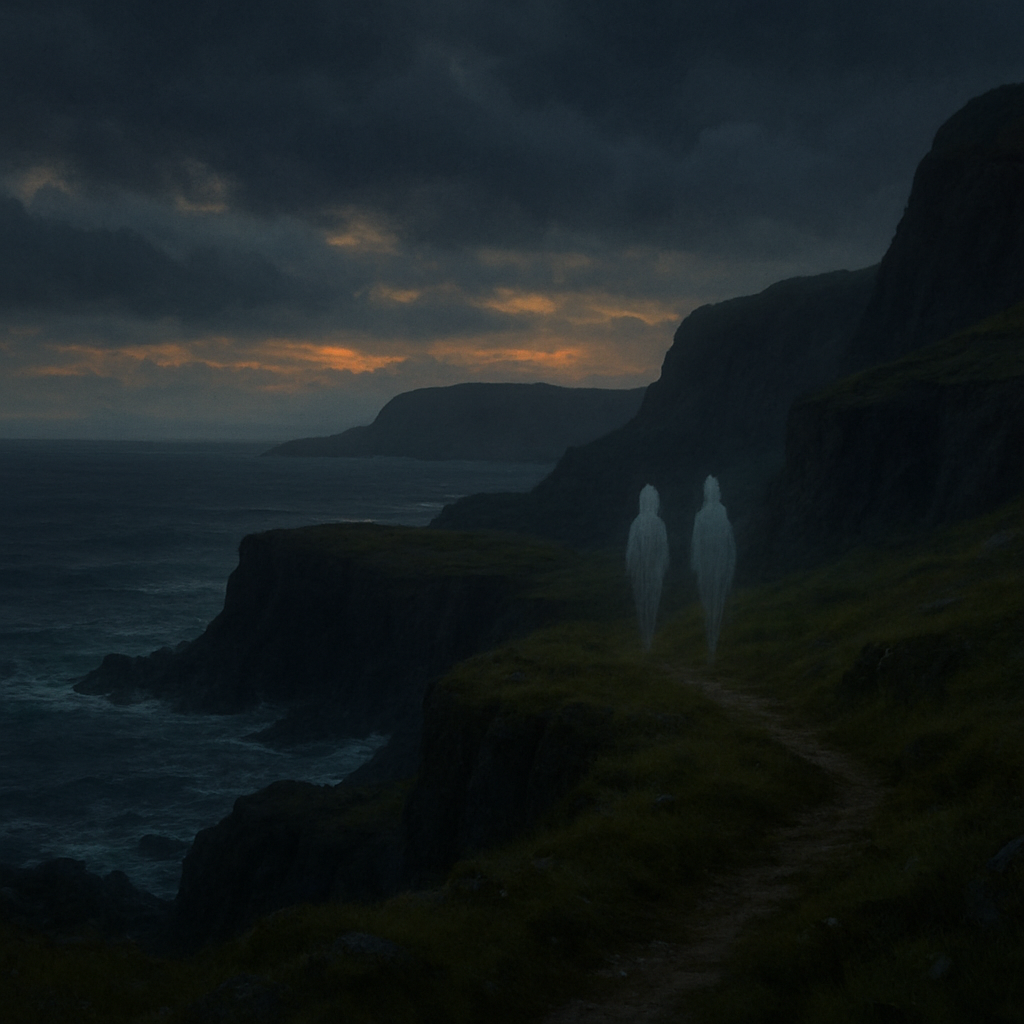
Ben Davis's cinematography captures the stark beauty of the Irish landscape, framing it as both a character and a reflection of the characters' internal battles. The lighting is intentionally muted, mirroring the film's themes of sorrow and isolation while drawing focus to the nuanced performances.
The score, composed by Carter Burwell, enhances the film's melancholic tone without overwhelming its subtlety. The use of silence is equally profound, juxtaposing moments of tension against the stillness of the Irish landscape.
Final Verdict
- Strong performances that bring emotional depth to characters.
- Compelling exploration of friendship and the human condition.
- Cinematography that vividly captures the Irish landscape.
- Sharp, witty dialogue that balances humor with insight.
- Pacing may seem slow for viewers expecting traditional comedy.
- Some may find the film's abrupt ending unsatisfying.
'The Banshees of Inisherin' intricately weaves dark humor and tragedy, presenting a profound character study. It's best suited for audiences willing to engage with layered narratives about connection and isolation.
Frequently Asked Questions
Is 'The Banshees of Inisherin' a comedy?
Yes, it incorporates dark humor with its serious themes.
Who directed the film?
The film was directed by Martin McDonagh.
Where is the film set?
It is set on a remote Irish island.