The Gripping Tension of 'The Night House'
Director: David Bruckner | Industry: Horror
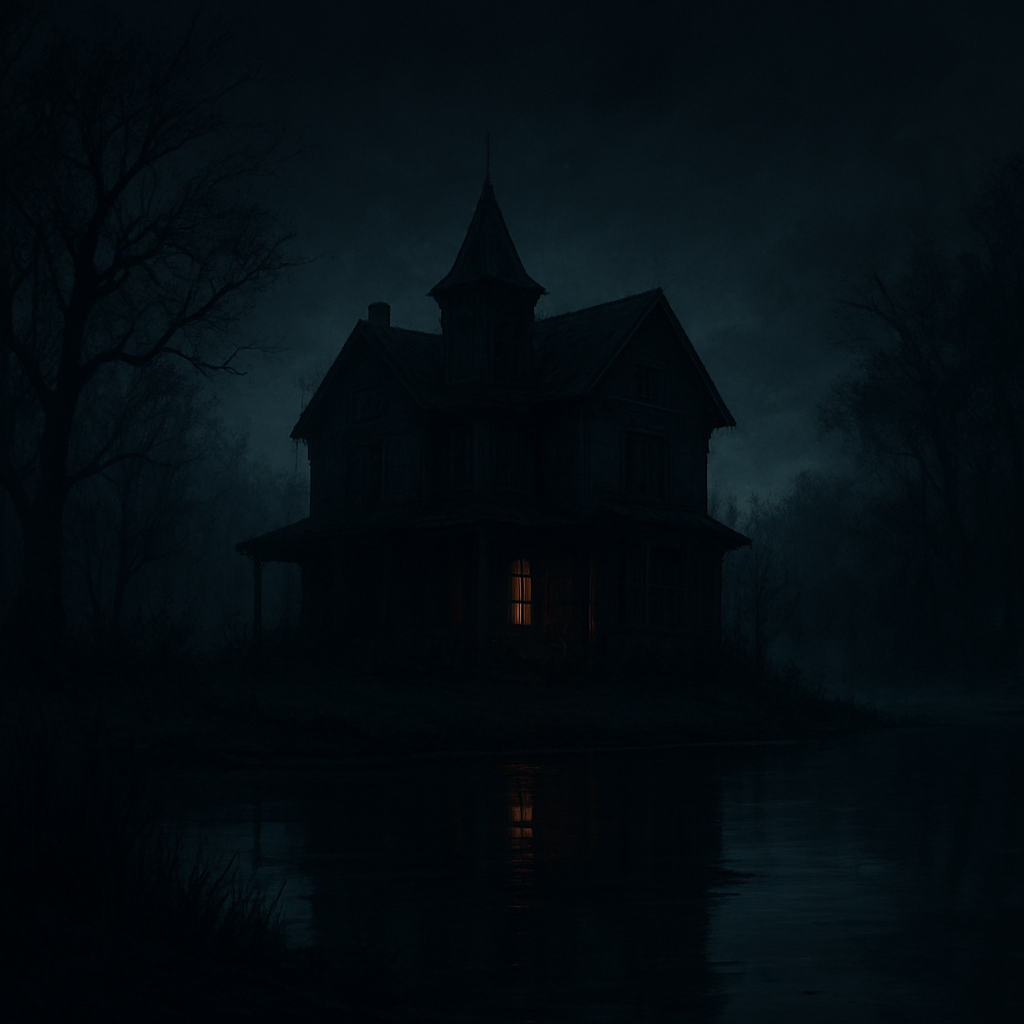
'The Night House' opens with Beth stumbling through her darkened lakeside home, a space that grows increasingly oppressive as grief weighs down on her. This film intricately weaves the supernatural with the psychological, creating a gripping exploration of loss and trauma.
However, the film ultimately falters under the weight of its ambitious concepts, leaving certain emotional threads unresolved. While it excels in atmosphere, its execution occasionally strays into the realm of the muddled.
The Setup
After her husband Owen's sudden death, Beth finds herself grappling with profound grief in their secluded lakeside house. As she explores the home, strange occurrences and haunting secrets tied to Owen's life begin to surface. The boundaries of her reality blur, raising questions about what’s truly haunting her.
As Beth unravels the mystery of her husband's hidden past, she confronts both external and internal demons, forcing her to question her perceptions and sanity. The stakes rise as she delves deeper into the shadows of their shared life, making her journey increasingly perilous.
Cast & Performances
Rebecca Hall delivers a captivating performance as Beth, masterfully portraying the fragile balance of strength and vulnerability. Her ability to convey layers of confusion and despair feels authentic. Hall's physical expressions, particularly in moments of isolation and confrontation with the supernatural, heighten the tension.
Supportive performances from the cast, including Vondie Curtis-Hall as the local police officer, add depth to the narrative. While Curtis-Hall brings warmth, he also grounds Beth’s spiraling emotional state with genuine concern, allowing viewers to empathize with her plight.
Direction & Tone
David Bruckner’s direction skillfully constructs tension through pacing and atmosphere. The use of long takes induces a creeping dread, while strategic cuts maintain the film's suspenseful rhythm. The tonal shifts between psychological horror and raw emotion are effectively balanced, though at times they leave certain plot points feeling rushed or underdeveloped.
Yet, it’s the film’s visual storytelling that truly stands out. Bruckner relies on chilling imagery and unsettling sound design, enveloping the audience in Beth’s haunting experience. This approach, while immersive, can sometimes drown out plot clarity, which is a decision that may alienate viewers seeking straightforward narratives.
Skip this section if you haven't watched the film yet! Here are 4–5 pivotal moments that defined the movie for us:
On her first night after Owen's death, Beth hears noises that lead her to the edge of the lake. This scene sets the tone of dread, with effective sound design amplifying her vulnerability. The choice to linger on her reactions captures her emotional turmoil, revealing layers of fear and grief as she navigates her solitude.
Beth finds Owen's journal filled with disturbing drawings and cryptic messages. This turning point propels her investigation into his past and unravels the layers of their relationship. The revelation is powerful, but it could have benefitted from deeper exploration of the implications it carries for her mental state.
In a climactic moment, Beth confronts the apparition of Owen. This scene is visually striking, but the emotional stakes feel somewhat diminished due to a lack of context around his motivations. It raises questions about the resolution—did Beth’s journey through grief offer real closure, or does it spiral into ambiguity?
The film culminates in a shocking twist that ties together Beth’s experiences. While the reveal intensifies the horror, it also feels rushed, leaving some viewers craving greater depth in its narrative choices. The emotional impact is palpable; however, clarity in resolution is compromised, which could frustrate audiences.
Visuals & Sound
Originally shot by Trent Opaloch, the cinematography is meticulous, utilizing shadows and reflections to echo Beth’s internal struggles. The framing of shots often isolates her in the expansive yet confining space of the house, emphasizing her emotional disconnection. This choice not only reinforces the mood but also engages viewers in her psychological decline with a visual lens.
Ben Lovett’s score blends haunting melodies with unsettling soundscapes, enhancing the film's overarching atmosphere. The strategic use of silence during pivotal moments creates a sense of dread, making the audience acutely aware of Beth's isolation and vulnerability.
Final Verdict
- Rebecca Hall's compelling performance as Beth.
- Effective use of sound design to build suspense.
- Strong visual elements that enhance the haunted atmosphere.
- Plot points feel rushed toward the climax.
- Some emotional threads left unresolved by the ending.
'The Night House' resonates with themes of grief and the unknown, creating an unsettling psychological landscape. While it falters in narrative clarity, its atmosphere and Hall's performance make it worth watching for those who appreciate psychological horror that lingers long after the credits roll.
Frequently Asked Questions
Is 'The Night House' a typical horror film?
No, it focuses more on psychological themes than jump scares.
What is the main theme of the film?
The film explores grief and the haunting effects of loss.