Exploring Grief and Growth in 'The Father'
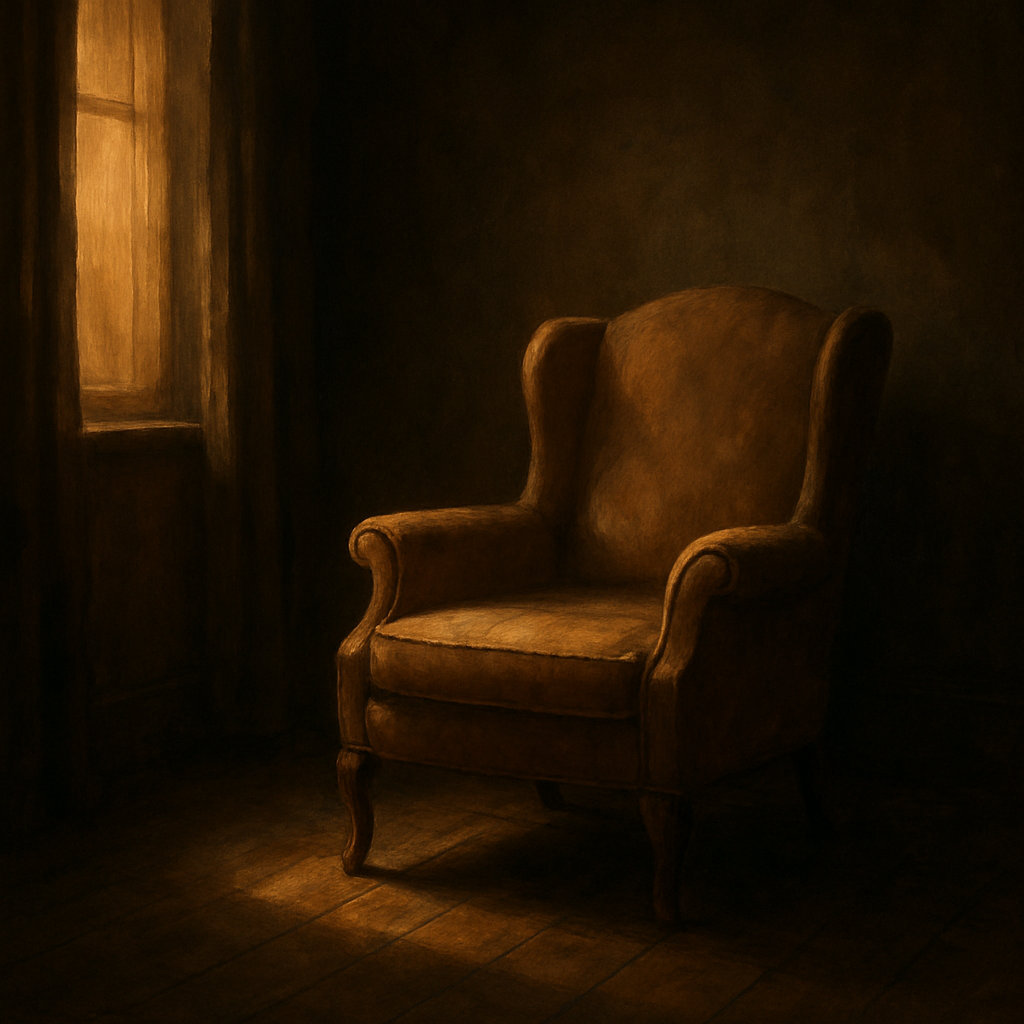
Director: Florian Zeller | Industry: Film
'The Father' immerses the viewer in the disorienting reality of dementia through a powerful narrative lens. The film’s unique structure reflects the mental state of its protagonist, Anthony, crafting a disquieting but essential exploration of memory and loss.
While it’s anchored by an exceptional performance from Anthony Hopkins, the film’s emotional core sometimes feels obscured by the stylistic choices made by the director, Florian Zeller.
The Setup
Set primarily in London, 'The Father' tells the story of Anthony, an elderly man grappling with memory loss and the encroaching shadows of dementia. He lives in his apartment, steadfastly clinging to his independence, yet increasingly confused by the changing world around him.
The stakes rise as his daughter, Anne, struggles to care for him amidst her own life changes, facing the helplessness that comes with witnessing a loved one slip away. The story poignantly unfolds through Anthony's eyes, making the audience experience his confusion and fear firsthand.
Cast & Performances
Anthony Hopkins delivers a haunting performance, skillfully embodying the nuances of a mind in decay. Every moment feels genuine; his expressions oscillate between clarity and confusion, provoking a deep emotional response from the audience. Olivia Colman, as Anne, complements him beautifully, showcasing a range of emotions from frustration to deep sorrow as she navigates her father's deteriorating condition.
The supporting cast, including Mark Gatiss and Imogen Poots, add layers to the narrative, though their roles are secondary. Their interactions with Anthony highlight both the tenderness and tension present in family dynamics impacted by illness.
Direction & Tone
Florian Zeller's direction mirrors Anthony's disorienting experience, using a fragmented narrative that reflects the chaos of dementia. The film’s structure keeps the viewer guessing, enhancing the sense of unease as timelines and locations blur. This approach can be disconcerting, yet it deepens the audience's connection to Anthony's psyche.
However, while the innovative perspective effectively immerses us in the subjectivity of his experience, it occasionally sacrifices clarity. Some viewers might find the non-linear progression difficult to follow, risking emotional engagement at crucial moments.
Skip this section if you haven't watched the film yet! Here are 4–5 pivotal moments that defined the movie for us:
In a pivotal scene, Anthony discovers a stranger in his home, believing them to be a threat. This moment starkly illustrates his disorientation and fear, capturing the essence of living with dementia. It works effectively to highlight both Anthony's fragile mental state and the impact on his family.
When Anne confronts the weight of her father's illness, her emotional breakdown is raw and palpable. This scene resonates deeply, revealing the toll that caregiving takes on her. It feels like a turning point, laying bare the heartbreak of acceptance.
Scene transitions often blur the lines of time and place, with Anthony questioning where he is and who is around him. This device emphasizes the disorienting nature of dementia, though it may leave some viewers feeling unsettled and confused about the narrative trajectory, which may hinder engagement.
In a heart-wrenching scene, Anthony recalls moments of clarity amid his confusion, revealing flashes of his former self. This juxtaposition of memory and present confusion powerfully conveys the emotional weight of loss.
The film culminates in a final confrontation between Anthony and Anne, where acceptance and surrender collide. This moment encapsulates the essence of their relationship and the emotional devastation brought by illness. Powerful and undeniably moving, it encapsulates both the love and despair that shape their bond.
Visuals & Sound
The cinematography, handled by Ben Smithard, utilizes close-ups and immersive framing to draw the viewer deep into Anthony's experience. The changing sets, crafted to represent Anthony's shifting perceptions, are cleverly designed to create a feeling of claustrophobia and confusion, elevating the film's emotional stakes.
The score by Ludovico Einaudi complements the film's emotional landscape, weaving in and out subtly, enhancing scenes without overwhelming them. The use of silence is equally impactful, allowing moments of reflection amidst the unfolding chaos.
Final Verdict
- Anthony Hopkins' and Olivia Colman's performances are exceptional.
- Innovative narrative structure reflects the protagonist's experience.
- Emotional depth resonant with the realities of dementia.
- The non-linear storytelling may confuse some viewers.
- Moments of emotional resonance can occasionally feel obscured by style.
'The Father' is an emotionally charged exploration of dementia, firmly anchored by remarkable performances. It's a film that invites those who are willing to confront the complexities of aging and the family dynamics it brings. While it may not resonate for everyone due to its stylistic choices, those willing to engage will find a poignant story that stays with them long after the credits roll.
Frequently Asked Questions
What is the main theme of 'The Father'?
The film explores themes of dementia, memory, and the emotional struggle of family caregiving.
Is 'The Father' based on a true story?
While 'The Father' is not a true story, it is based on Florian Zeller's own play that addresses the realities of aging and mental decline.
Who won awards for 'The Father'?
Anthony Hopkins won the Academy Award for Best Actor for his role in the film.