The Black Phone: A Chilling Dive into Horror
Director: Scott Derrickson | Industry: Film
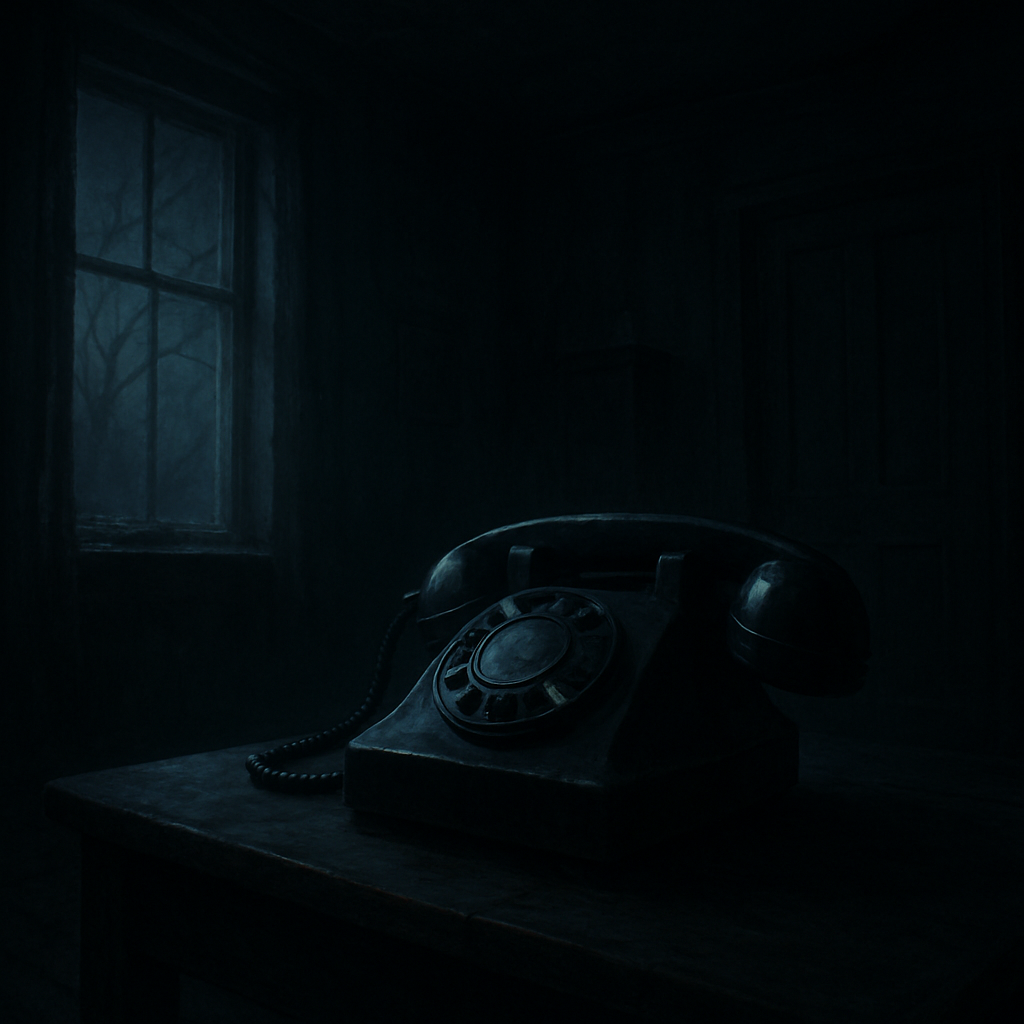
In a hauntingly quiet neighborhood, a black phone rings in an empty room. It carries the voices of the victims who met a grim fate at the hands of a sadistic kidnapper. 'The Black Phone' pulls back the curtain on the nightmares children often face, intertwining real horror with supernatural elements.
While the film succeeds in creating a palpable sense of dread, its pacing falters in the middle, leaving some threads underexplored. Still, its intentions deliver a potent emotional punch.
The Setup
The story centers on Finney Shaw, a shy yet clever boy, played by Mason Thames, who becomes the target of a terrifying abductor, known as the Grabber. After being kidnapped, he finds himself in a soundproof basement where his only connection to the outside world is an old black phone.
As Finney learns to navigate his despair, the phone begins to ring—a link to the spirits of the Grabber's previous victims. They offer him guidance, fueling a tension-packed race against time as he strategizes an escape and fights for survival.
Cast & Performances
Mason Thames portrays Finney with a raw vulnerability that resonates deeply. His transition from a frightened boy to a resilient survivor is nuanced; you feel every ounce of his despair and hope, especially in moments where he interacts with the phantom voices.
Equally compelling is Ethan Hawke as the Grabber. His performance is chilling without needing excessive exposition, combining charisma with a palpable menace that makes his character one of the film's strengths.
Direction & Tone
Scott Derrickson crafts a tense atmosphere that oscillates between childhood fears and harsh realities. The tension builds through long, stalking sequences and moments of shocking violence, although the film occasionally lingers too long on exposition that could have been trimmed.
The decision to use a child as the lead in a horror context is a bold one, and Derrickson exploits this effectively, never shying away from the darker implications of his subject matter while maintaining a focus on the resilience of youth.
Skip this section if you haven't watched the film yet! Here are 4–5 pivotal moments that defined the movie for us:
When Finney first hears the black phone ring, it sets the stage for the chilling blend of horror and potential hope. The disembodied voice of a past victim shares crucial tips that illuminate Finney's path to escape while deepening the film's sense of dread.
In a pivotal moment, Finney devises a clever strategy based on the guidance he receives. This displays his growth as a character, showcasing his intelligence and adaptability, which resonate with the audience's investment in his survival.
The climactic showdown between Finney and the Grabber offers an intense confrontation that pulls together the film’s emotional stakes. It delivers a raw, cathartic moment of retribution that feels earned, despite some predictable beats in the narrative.
As the film wraps up, the twist regarding the identities of the victims adds layers to the story, making it not just about terror but also tragedy. This scene effectively connects Finney's choices with the broader implications of the Grabber's actions.
Visuals & Sound
The film's cinematography uses shadows and dim lighting brilliantly to evoke fear and confinement. The stark contrast between the bright outside world and the oppressive dark of the basement amplifies Finney’s sense of isolation, enhancing the viewer’s anxiety.
The sound design plays a crucial role in building the chilling atmosphere. Minimalistic but effective, the score maintains tension without overwhelming the narrative. The quiet moments bolster the horror, leaving space for the viewer’s imagination to fill gaps.
Final Verdict
- Strong performances, especially from Mason Thames and Ethan Hawke.
- Effective use of sound and atmosphere to create tension.
- Well-executed emotional stakes that resonate with the audience.
- Pacing issues in the middle stretch detract from overall impact.
- Some character motivations remain vague or underdeveloped.
'The Black Phone' provides a gripping exploration of childhood fears against a backdrop of horror. It's rewarding for those who appreciate a psychological twist to conventional terror. While it has its flaws, the emotional core and compelling performances make it worth the watch for genre enthusiasts.
Frequently Asked Questions
Is 'The Black Phone' based on a true story?
No, it's based on a short story by Joe Hill.
Who directed 'The Black Phone'?
Scott Derrickson directed the film.
What age group is the film suitable for?
It's rated R for violence and disturbing themes, making it suitable for mature audiences.