You Can See Everything: What to Expect
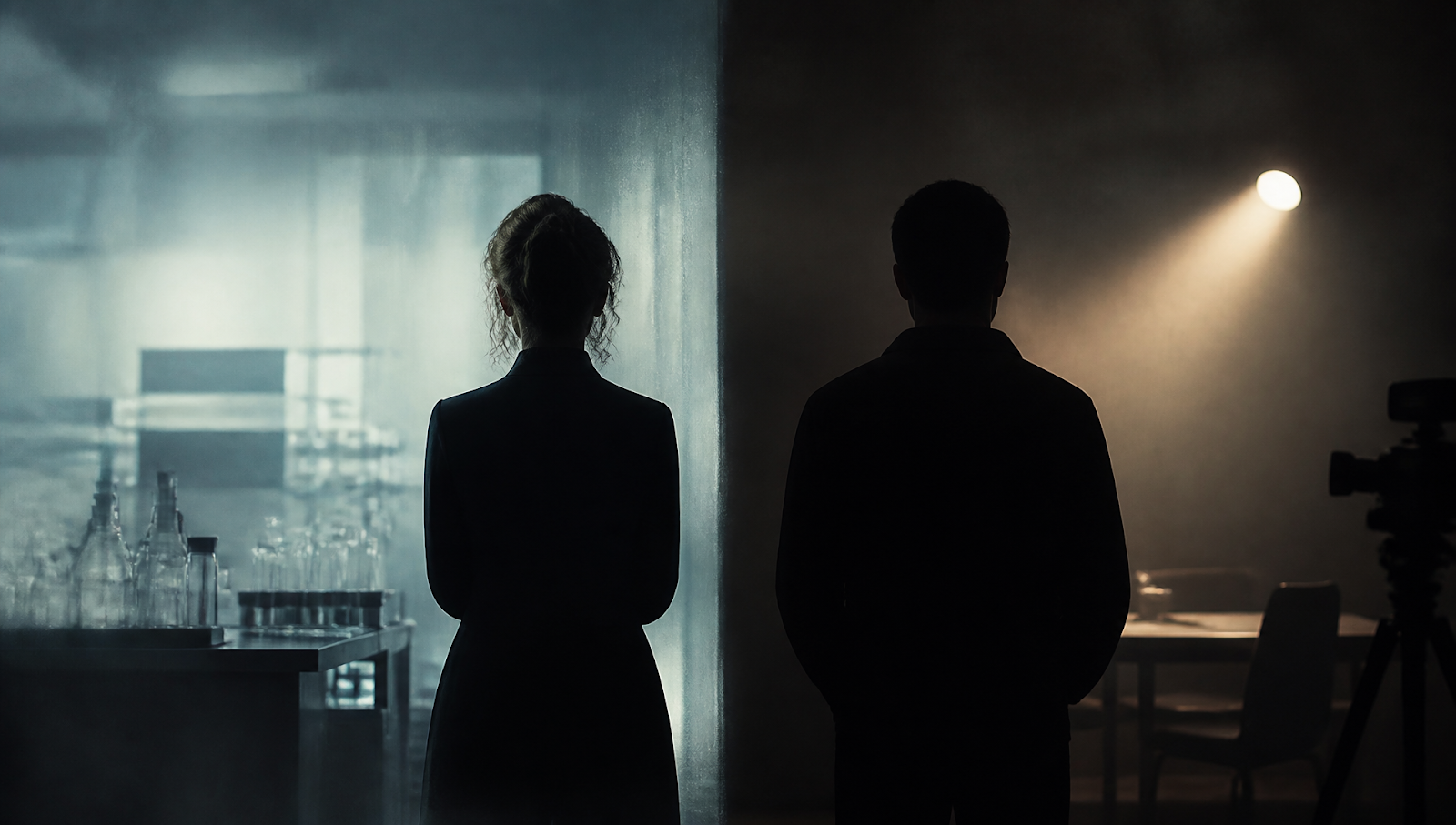
Director / Creator: Nathan Fielder, Lance Oppenheim
You Can See Everything is already getting attention because it pairs a striking real-life subject with two filmmakers known for awkward, controlled, and often unsettling nonfiction work. With Nathan Fielder and Lance Oppenheim attached, this 2026 documentary has a built-in question mark around it: will it be a straight portrait of Elizabeth Holmes, or something stranger and more reflective? The confirmed setup is unusual enough on its own. Holmes invites a film crew to document her life just 34 days before she is sent to prison, and the project reportedly grows over three years. That alone makes You Can See Everything one of the more intriguing upcoming documentaries on the calendar. Since it has not been released yet, the best way to look at it is through what is confirmed and what the creative team suggests. At this stage, the film seems most likely to appeal to viewers who like true-life stories, media satire, and documentaries that are more interested in discomfort than easy answers.
The Setup
The confirmed premise is clear, even if the full shape of the film is not. You Can See Everything begins with Elizabeth Holmes allowing a skeptical crew to film her life shortly before her prison sentence starts. From there, the documentary is said to expand into a three-year process. That long timeline suggests the movie may not stay fixed on one moment, but instead track how a carefully managed public image changes under pressure.
What makes this setup interesting is the tension built into it. Holmes is one of the most widely discussed figures from Silicon Valley's recent history, and any documentary about her is going to carry questions about control, image-making, and accountability. The presence of Nathan Fielder and Lance Oppenheim points to a project that may be less interested in simple explanation and more interested in how people perform for a camera, especially when the stakes are this high.
Direction & Tone
Nathan Fielder and Lance Oppenheim are the main reason this movie has immediate curiosity around it. Both names suggest a documentary that may be uncomfortable in a deliberate way. Fielder's work often plays with social tension and awkward self-presentation, while Oppenheim has a track record of closely observed nonfiction storytelling. Put together, that makes You Can See Everything feel like a project built around control, distance, and the gap between what people say and what they reveal.
The promising part is that this team may know how to make a familiar public figure feel strange again. The possible concern is runtime. At 174 minutes, the movie is long for a documentary, so pacing will matter a lot. A film this extended needs a strong reason for every stretch of screen time. If it repeats the same idea too often, viewers may feel the length before the point lands.
Cast & Performances
Because this is an upcoming documentary, there are no confirmed performance details to judge yet. Still, the cast list gives a strong clue about the kind of material viewers should expect. Elizabeth Holmes is, naturally, the central presence. Nathan Fielder and Lance Oppenheim being listed alongside Holmes makes the project feel less like a standard fly-on-the-wall documentary and more like a constructed encounter with a strong point of view.
The involvement of Amanda Seyfried and Christopher Abbott is also worth noting, though their exact roles have not been detailed here. For now, the main expectation is not about dramatic acting in the usual sense, but about how these people are used within the film's structure. If the documentary leans into interview scenes, recreations, or meta-style framing, the cast could become one of its biggest draws. The risk is that the film may feel over-shaped if too much attention goes to concept and not enough to clarity.
What We Expect
Based on the confirmed premise, the film looks best suited to viewers who want more than a standard true-crime recap. It should appeal to people interested in Elizabeth Holmes, Silicon Valley scandals, and documentaries that focus on image, power, and self-mythology. The creative pairing also suggests a film that may invite debate rather than neat agreement.
The most reasonable expectation is a documentary that is tense in a quiet way, with an unusual structure and a strong sense of control. If it works, it could be the kind of film people keep discussing after the credits. If it overreaches, the long runtime could make the ideas feel stretched.
What Could Go Wrong
The biggest risk is that the film's concept does more work than the actual structure. A long documentary about a heavily covered figure needs fresh insight, not just access. Another concern is tonal balance. If the film becomes too self-aware, it could lose emotional weight. If it becomes too serious, it may miss the strange public image that makes the subject interesting in the first place. There is also a practical concern with a 174-minute runtime. That is a commitment, and viewers will expect the film to justify it with real progression, not just atmosphere.
Visuals & Sound
There is no confirmed visual style to describe yet, but the names attached suggest a careful, observational approach rather than glossy documentary imagery. That is probably the right move for a project about a public figure already shaped by media attention. The camera will likely matter as much as the subject, especially if the film is concerned with distance, access, and who gets to control the frame.
If the cinematography is sharp and patient, the movie could use ordinary spaces and close framing to create pressure without needing flashy visuals. That would suit the material better than a polished look. The danger is that a film this long could become visually repetitive if it doesn't vary its approach.
No music details have been confirmed, so it is best not to guess too far here. Still, documentaries of this kind often rely on restrained sound design rather than sweeping cues. That would fit this project well. A light or minimal score could help keep the focus on the subject and the uneasy tone of the material. If the film uses music too heavily, it may work against the documentary's likely need for precision and restraint.
Final Take
You Can See Everything is not a finished movie yet, so the fair read is expectation rather than judgment. Even so, it already looks like one of those documentaries people will either find fascinating or frustrating, depending on how much patience they have for controlled, idea-driven filmmaking. The premise is strong, the subject is loaded, and the directing team gives it a clear identity before release.
If you are interested in Elizabeth Holmes, modern fame, or documentaries that examine how people shape their own image, this is one to watch. The long runtime and experimental feel may not suit viewers who want a straightforward account, but that same approach is also what makes it promising. Right now, the film feels more intriguing than safe, and that is usually a good sign for this kind of project.
Frequently Asked Questions
It is scheduled for release on 2026-10-16.
It is a movie.
It is listed as a documentary.
Nathan Fielder and Lance Oppenheim are credited as the directors/creators.
It follows Elizabeth Holmes as a film crew documents her life beginning 34 days before her prison sentence, then continues over three years.
Related Titles You Might Like
- The Inventor: Out for Blood in Silicon Valley
- WeWork: Or the Making and Breaking of a $47 Billion Unicorn
- Tiger King
- The Dropout
- Fyre